
If we notice frequent breaker trips, flickering lights, or find visible damage like rust or burn marks on our panel, it’s a strong sign the electrical panel may be overloaded or outdated. Outdated panels—often lacking code compliance and sufficient amperage—pose fire and shock hazards, especially as our energy demands grow. Increased utility bills or hot outlets further indicate inefficiency. Staying alert to these signs not only keeps our homes safe, but also sets the stage for safer electrical panel upgrades ahead.
Key Takeaways
- Frequent circuit breaker trips or blown fuses indicate your panel is struggling to handle the current electrical load.
- Flickering or dimming lights signal overloaded circuits or faulty panel wiring, which can pose fire risks.
- Visible signs of panel damage, like rust, corrosion, or burn marks, require immediate upgrade for safety.
- Increased use of smart appliances or new electronics can overwhelm outdated panels not built for modern household demands.
- Electrical panels over 20–30 years old or with outdated brands (e.g., FPE, Zinsco) may not comply with current safety codes.
Frequent Circuit Breaker Trips
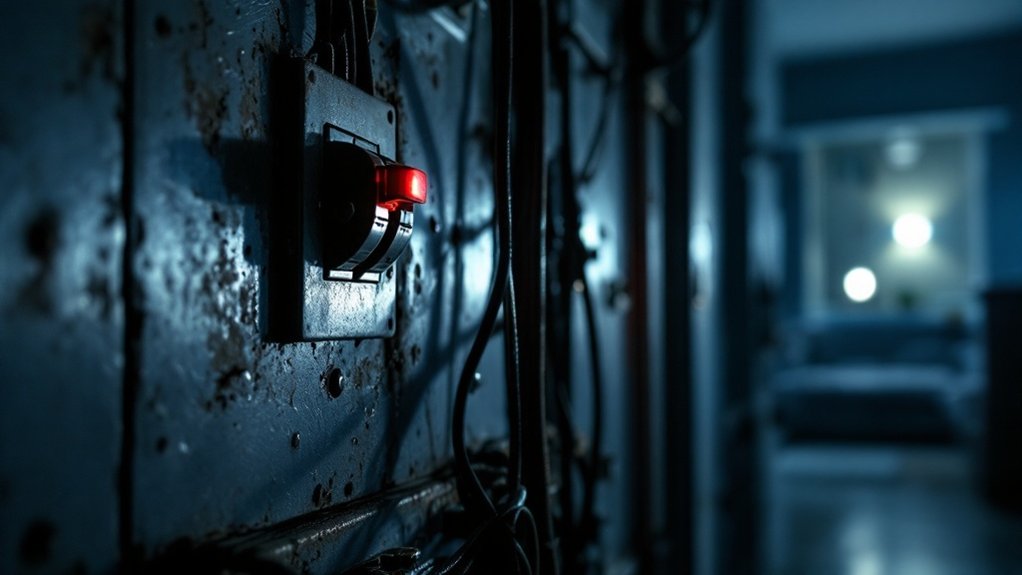
Anyone who’s noticed their circuit breakers tripping frequently should recognize this as a critical warning sign that the electrical panel may be overloaded or outdated. When we experience repeated trips, it’s often due to circuit overloads—commonly caused by plugging too many devices into a single circuit or operating high-draw appliances like space heaters. Short circuits, ground faults, or worn-out breakers can further compromise safety and code compliance. As a community concerned with safe, efficient homes, we can’t ignore these recurring interruptions. Regular inspection of wiring is an essential safety step that can help prevent short circuits and identify issues before they become hazardous. Frequent circuit breaker trips increase fire risks, threaten appliance longevity, and may indicate a need for immediate electrical inspections. Professional evaluation guarantees we’re up to code and protects our families. Addressing these issues promptly helps foster a safer, more reliable living environment for all of us.
Flickering or Dimming Lights
Alongside persistent circuit breaker trips, flickering or dimming lights are reliable indicators that an electrical panel may be under strain or developing faults. Common flicker causes include overloaded circuits, loose or deteriorated wiring, and compromised neutral connections, each impacting voltage stability and increasing safety risks. Light dimming often happens when circuits can’t meet modern appliance demands or the panel’s components begin to degrade. If we notice flickering localized to specific rooms or coinciding with major appliance use, it’s a warning sign our panel is struggling to distribute power safely and efficiently. Ignoring these signals exposes our homes and families to fire hazards and equipment damage. As a company recognized with the Best of Chester County award, we recommend addressing flicker causes through panel inspection or upgrade to keep our electrical systems code-compliant, safe, and reliable for everyone under our roof.
Visible Damage or Aging Panel Components
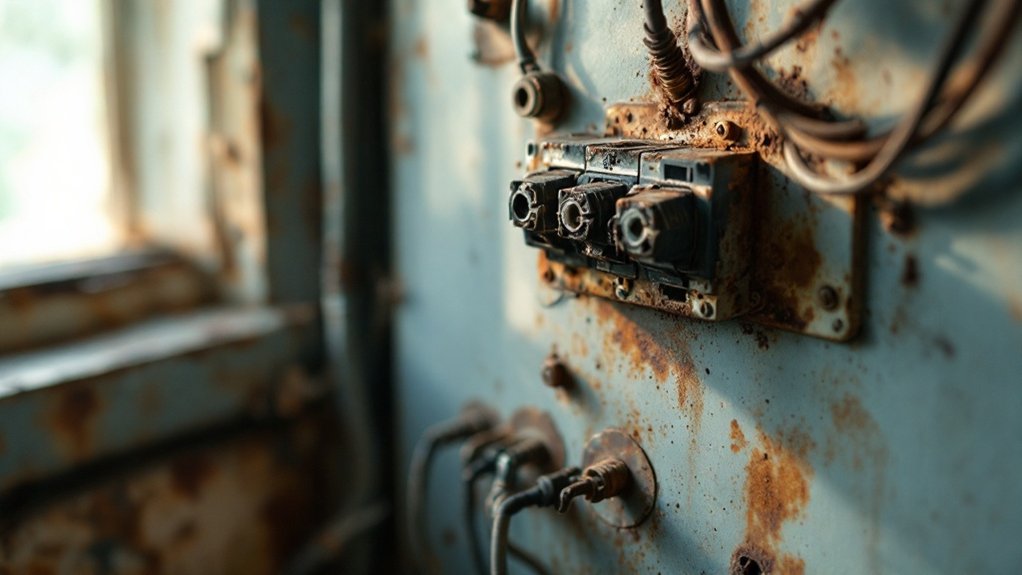
Clear evidence of physical damage or aging within an electrical panel is a critical sign that immediate intervention is required to maintain code compliance and household safety. When we notice rust, corrosion, burn marks, or melted wires during panel inspections, it’s clear the panel’s integrity is compromised. Water damage and burning smells point to severe electrical issues that could lead to fires or electrical shocks if left unaddressed. Aging components like deteriorated connectors, worn-out circuit breakers, or panels older than 20–30 years often lack modern safety features and efficient power distribution. For our families and community, prioritizing electrical upgrades or replacements guarantees we avoid system failures and unpredictable power delivery. Most electrical panels have a lifespan of 25-40 years, so if your panel is approaching this age range, it is particularly important to schedule a professional evaluation. Regular inspections help us address these risks promptly, supporting a safer, more reliable electrical system for everyone.
Outdated Electrical Panel Types and Capacity Limits
While visible damage and aging components demand immediate attention, the actual type and capacity of your electrical panel are just as important for long-term safety and compliance. Many homes in our Canton community still have outdated panel types—such as Federal Pacific Electric (FPE), Zinsco, split-bus panels, Pushmatic Bulldog, or even old fuse box panels. These legacy panels pose serious safety risks due to their poor breaker reliability and obsolete design. Incident reports have shown that Federal Pacific Electric panels, in particular, sometimes fail to trip during overloads or short circuits, which can lead to electrical fires. Additionally, most outdated panels offer insufficient electrical capacity limits, typically only 60 to 100 amps, far below the 150 to 200 amps modern households require. Limited circuit slots and overloading can lead to overheating, fire hazards, and non-compliance with electrical codes. For our safety and peace of mind, upgrading is essential.
Unusual Electrical Behavior and Higher Utility Bills
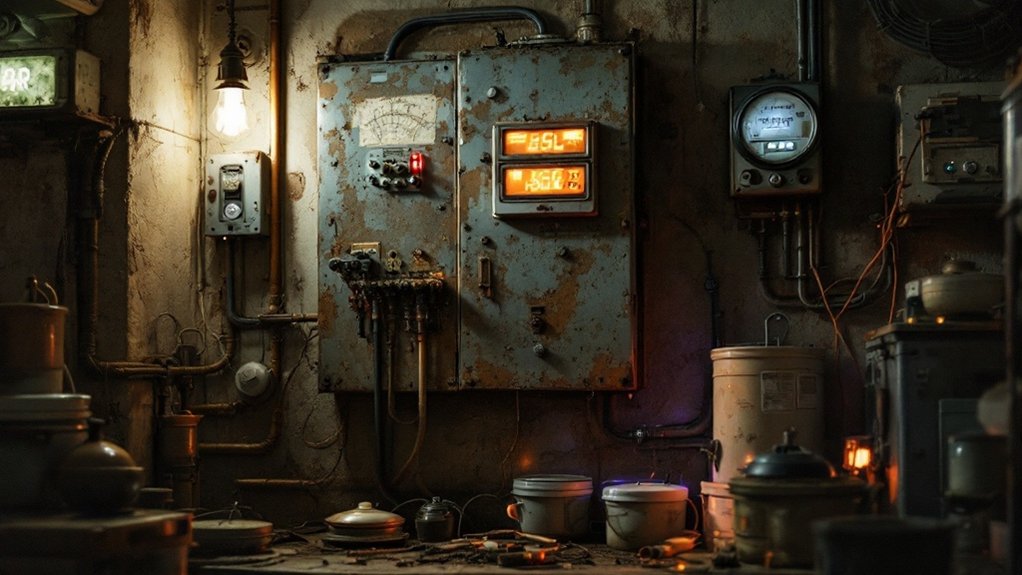
Sometimes, what tips us off to a failing or outdated electrical panel isn’t obvious physical damage, but rather unusual electrical behavior and unexplained spikes in utility bills. When we notice flickering or dimming lights, hot outlets, buzzing switches, or appliances shutting off unexpectedly, these are all technical indicators that our system is struggling. Uncovering inefficiencies often starts with understanding surges and voltage drops—signs our panel can’t properly regulate power. Most malfunctions can be prevented when systems are regularly inspected and upgraded, reducing risks before trouble occurs. Overloaded circuits and faulty wiring generate heat loss, translating directly into energy waste and rising utility costs for our households. As a safety-focused community, it’s imperative we address mysterious electrical surges and excessive bills early, bringing in licensed professionals to safeguard our families, equipment, and investments through prompt diagnosis and, when needed, an electrical panel upgrade.
Panel Safety Hazards and Code Compliance
When it comes to electrical panel safety, we need to address serious hazards like fire, electric shock, and outdated components that may compromise the integrity of your system. It’s crucial to guarantee every panel meets current electrical codes, which require proper clearance, secured access, and up-to-date equipment. By following strict code compliance, we’re actively reducing the risk of property damage, injury, and costly system failures. Only licensed electricians are qualified to safely inspect and upgrade electrical panels, as working with electrical components carries a high risk of electrocution and should never be attempted by untrained individuals.
Fire and Shock Risks
Because electrical panels are essential for system safety and power distribution, any issues with fire and shock risks demand immediate attention. Fire hazards often result from overloaded circuits, overheated wires, or faulty breakers that fail to trip as required. Older electrical panels may not trip during an overload, increasing the risk of fires due to overheated electrical wires. We must keep panel access clear—at least 3 feet—to prevent accidental fires and guarantee prompt emergency response. Shock prevention is equally critical, as exposed or damaged wiring increases the risk of electrocution or serious burns. Only licensed, trained personnel should access panels, using correct protective equipment and adhering to safety protocols. Upgrading and regularly inspecting panels for compliance with national and local codes helps us eliminate both fire hazards and shock risks, guaranteeing the safety and reliability of our homes and workplaces.
Outdated Panel Components
In addition to the risks of fire and shock, outdated electrical panel components pose significant hazards to both safety and code compliance. When we let panel component deterioration go unchecked, we increase the likelihood of electrical arcing risks, faulty breaker operation, and unreliable circuit protection. Over time, thermal cycling and aging lead to weakened insulating materials and corroded bus bars, making arcing more likely. Such arcing not only damages breakers and breakers’ connections but can also result in unseen heat damage or catastrophic failure. Outdated electrical panels are prone to overheating and electrical arcing, which substantially raises the risk of fire in residential and commercial settings. Many older panels—especially those with obsolete or worn components—may not trip as intended, putting our homes and businesses at risk. Staying vigilant about the condition of our panels is critical; we have a responsibility to maintain a safe and code-compliant electrical system for our community.
Compliance With Electrical Codes
Although electrical panels are often overlooked, maintaining strict compliance with NEC and OSHA requirements is essential for ensuring safety and avoiding severe hazards. We must treat code violations seriously—improper clearance, insufficient labeling, or outdated panels all compromise our safety and can result in fire, electrical shock, or even electrocution. Adhering to mandated safety regulations means ensuring panels have the correct 30-inch width and 36-inch depth clearance, remain accessible only to qualified personnel, and are never obstructed or located near combustibles. Regular inspections help us catch overloaded circuits, improper grounding, and missing or damaged covers—each a critical safety concern. Secure enclosures and clear signage reinforce compliance, protect against tampering, and reduce liability. Code compliance isn’t just a rule; it’s our community’s safeguard.
Modern Household Demands and Panel Compatibility
As we integrate smart appliances and automation systems, our electrical panels must be compatible with increased load and advanced circuitry. It’s essential that our panels safely accommodate today’s higher energy demands while meeting updated NEC and local code requirements. Upgrading guarantees reliable power distribution and minimizes risks associated with overloaded or outdated systems. The latest surveys show that energy consumption patterns vary by region and season, underscoring the need for adaptable and modern electrical infrastructure in homes.
Adapting to Smart Appliances
When households add smart appliances like induction stoves, EV chargers, or whole-home battery systems, the electrical panel’s capacity and compatibility become critical for both safety and performance. As a community stepping into smart appliance integration, we must evaluate if our panels support dynamic energy management. Smart panels, like the SPAN Panel, deliver real-time circuit-level monitoring and load balancing, preventing overloads when new devices are introduced. Traditional panels, unfortunately, may lack adequate support, risking nuisance tripping or even safety violations. Integrating battery storage or advanced appliances without proper panel upgrades can delay projects and increase costs. Smart panels can help avoid expensive electrical service upgrades and offer options for electrification retrofits, making them a future-oriented investment for growing energy demands. Smart panels help us avoid expensive whole-home service upgrades, optimizing our existing system for modern code-compliant operation. That’s how we guarantee safety, efficiency, and reliability with our evolving energy needs.
Powering Growing Home Needs
While homes become increasingly connected and reliant on advanced electronics, our electrical panels must keep pace with rising consumption and diversified loads. Today’s households routinely incorporate devices such as EV chargers, advanced HVAC, and smart home automation—each elevating our overall energy consumption. Standard panels, often rated at 100 to 200 amps, may become inadequate as our power demand grows. When we notice frequent breaker trips or struggle to use multiple appliances simultaneously, it’s a sign our system could be overloaded. In fact, HVAC systems typically account for about 40% of household energy bills, making heating and cooling a significant driver for increased electrical capacity. Electrical upgrades, including panel replacement, aren’t just about accommodating higher ampacity—they’re vital for safety, code compliance, and future-proofing our homes. Consulting a licensed electrician guarantees that increased circuit capacity and code-driven improvements meet Canton’s local regulations while protecting what matters most—our families.
Frequently Asked Questions
How Long Does an Electrical Panel Upgrade Usually Take?
When we upgrade electrical panel types, most projects take four to eight hours, but upgrade costs and complexity may extend the timeline. We’ll guarantee everything is up to code and completed with your safety as our top priority.
Will Upgrading My Panel Increase My Home’S Resale Value?
When we upgrade your panel, we’re not just boosting electrical safety—we’re delivering a code-compliant home improvement that increases resale value. Buyers appreciate modern wiring and reliable systems, making your property stand out in our community’s competitive market.
Do I Need a Permit for an Electrical Panel Upgrade?
When upgrading your electrical panel, we always need to follow permit requirements and upgrade regulations. Securing a permit guarantees code compliance, prioritizes safety, and protects everyone in our community. Let’s keep your installation both safe and fully certified.
How Disruptive Is the Upgrade Process to Daily Home Life?
When we upgrade an electrical panel, you’ll experience temporary inconveniences like a full power outage and workspace disruption. We prioritize electrical safety by strictly following code-compliant procedures, ensuring your household’s well-being throughout the process. We’re in this together.
Are There Financing or Rebate Options for Panel Upgrades?
We recognize how important budget planning is, so we offer financing options and can help identify eligible rebate programs. Let’s work together to make your code-compliant, safety-focused panel upgrade more affordable and energy-efficient for your home.
Conclusion
As licensed professionals committed to electrical safety, we can’t stress enough the importance of a modern, code-compliant electrical panel. If you’ve noticed frequent breaker trips, flickering lights, or aging components, these aren’t just inconveniences—they’re indicators of underlying risks. Upgrading your panel guarantees proper load management, reduces fire hazards, and supports today’s technology demands. Let’s address these warning signs promptly to protect your property, maintain compliance with NEC standards, and guarantee a reliable electrical system for years to come.
