
We need to treat aluminum wiring with serious concern, as it presents a fire hazard 55 times greater than copper wiring due to oxidation and connection issues. If your home was built between 1965-1972, look for “Al” or “Aluminum” markings on wire jackets. While complete copper rewiring offers the safest solution ($2,000-$12,000), professional pigtailing provides a more affordable alternative. Working with licensed electricians is essential for safety-compliant solutions, and understanding the full scope of risks will guide your next steps.
Key Takeaways
- Aluminum wiring poses a 55 times higher fire hazard than copper due to oxidation and loosening connections over time.
- Warning signs include warm outlets, flickering lights, and burning odors, requiring immediate professional inspection and repair.
- Full copper rewiring costs $2,000-$12,000, while targeted repairs like pigtailing cost $387-$466 per circuit.
- Licensed electricians can replace aluminum wiring through complete rewiring or install copper pigtails at connection points.
- Regular professional inspections every 4-5 years help identify potential issues before they become dangerous fire hazards.
Understanding Aluminum Wiring: A Brief History
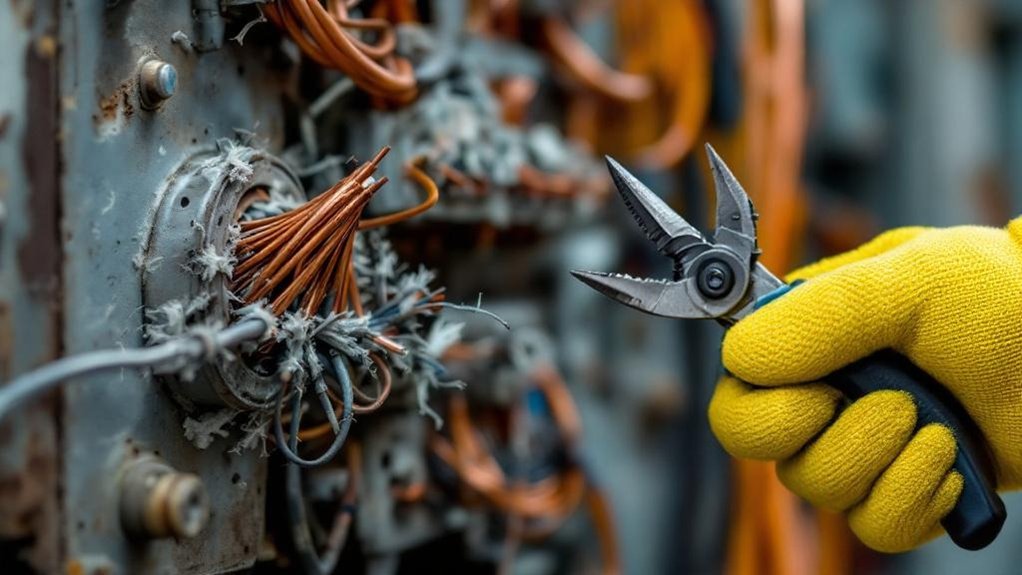
When copper prices soared in the mid-1960s, aluminum wiring became a popular alternative for residential electrical installations due to its lower cost and lighter weight. As your trusted electrical experts, we recognize the historical significance of this change, which led to approximately 2 million homes being wired with aluminum between 1965 and 1972.
While aluminum benefits included cost-effectiveness and adequate conductivity, it wasn’t without challenges. Initially used for power transmission in the late 1800s, aluminum’s adoption in residential wiring marked a significant shift in electrical installation practices. Despite being a legitimate conductor of electricity, aluminum requires larger gauge sizes than copper to achieve equivalent performance. This period of widespread aluminum wiring installation would later prove problematic, leading to important industry changes that we’ll explore in detail. In East Germany during this era, the government mandated aluminum wire for electrical installations due to the high cost of copper.
Signs Your Home Has Aluminum Wiring
Identifying aluminum wiring in your home requires careful observation of several key indicators. We recommend starting your inspection in unfinished areas like basements and attics, where exposed wiring is visible. Look for wire jackets marked with “Al,” “Aluminum,” or “CU-clad,” and note the distinctive silver color compared to copper’s reddish-brown hue. Many insurance companies now consider aluminum wiring to be a significant fire hazard.
Your electrical panel offers essential clues – check for shiny silver conductors at circuit breakers and examine both branch and feeder wires. The wiring age of your home is another crucial indicator; houses built between the mid-1960s and late 1970s commonly used aluminum. We’ll also help you spot warning signs like overheating outlets, flickering lights, or buzzing sounds that suggest aluminum wiring issues. For conclusive identification, we always recommend professional testing.
Why Aluminum Wiring Poses Safety Risks
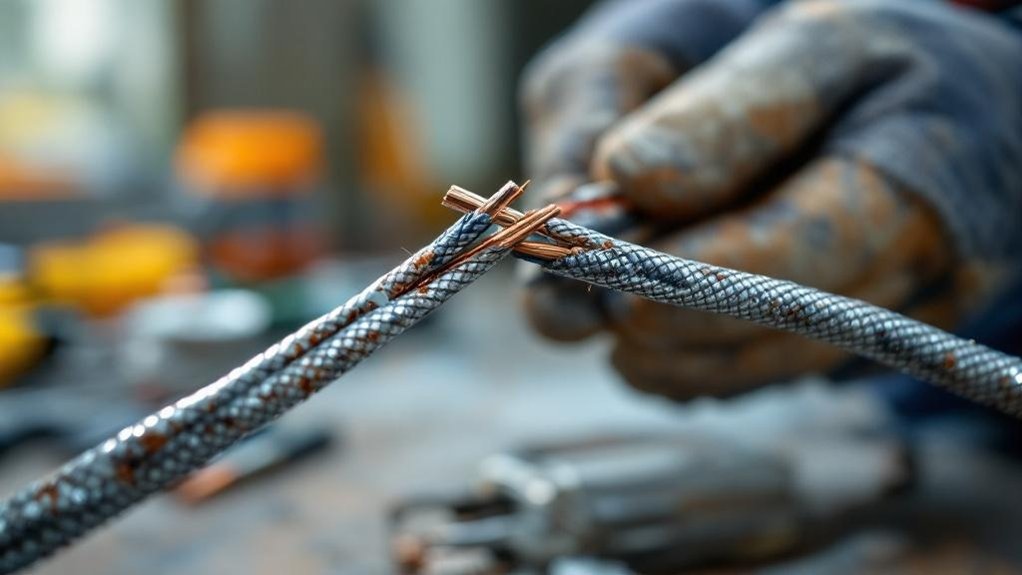
Although aluminum wiring was once considered a cost-effective alternative to copper, it presents several significant safety hazards that we’ve identified through decades of electrical inspection experience. The primary concerns stem from two critical factors: oxidation effects and thermal expansion.
When aluminum wiring oxidizes, it creates a non-conductive layer that increases resistance at connection points, potentially leading to dangerous overheating. Additionally, aluminum’s tendency to expand and contract more than copper during heating and cooling cycles causes connections to loosen over time. What’s particularly concerning is that homes with aluminum wiring are 55 times more likely to experience electrical fires than those with copper wiring. These risks are compounded when aluminum contacts copper components without proper CO/ALR-rated connectors, as this accelerates corrosion and degradation of the electrical system. This wiring method became popular during the mid-1960s to mid-1970s when copper prices skyrocketed.
Common Failure Points in Aluminum Wiring Systems
Safety inspections across thousands of aluminum-wired homes have revealed distinct failure patterns that every homeowner should understand. We’ve identified that the most dangerous problems occur at connection points where aluminum wiring meets devices or other conductors.
The highest-risk areas include outlets and switches where terminal screws can loosen over time, hidden splices in junction boxes that may arc and ignite surrounding materials, and locations where aluminum and copper wiring meet without proper connectors. These failure points are often concealed within walls, making detection difficult until problems become severe. When considering wiring upgrades, it’s critical to focus on these vulnerable areas, particularly in homes built before 1972 where connection failures are 55 times more likely than in copper-wired homes. Signs of trouble like warm-to-the-touch switches, flickering lights, or scorched outlets should prompt immediate consultation with a licensed electrician.
Professional Inspection and Risk Assessment
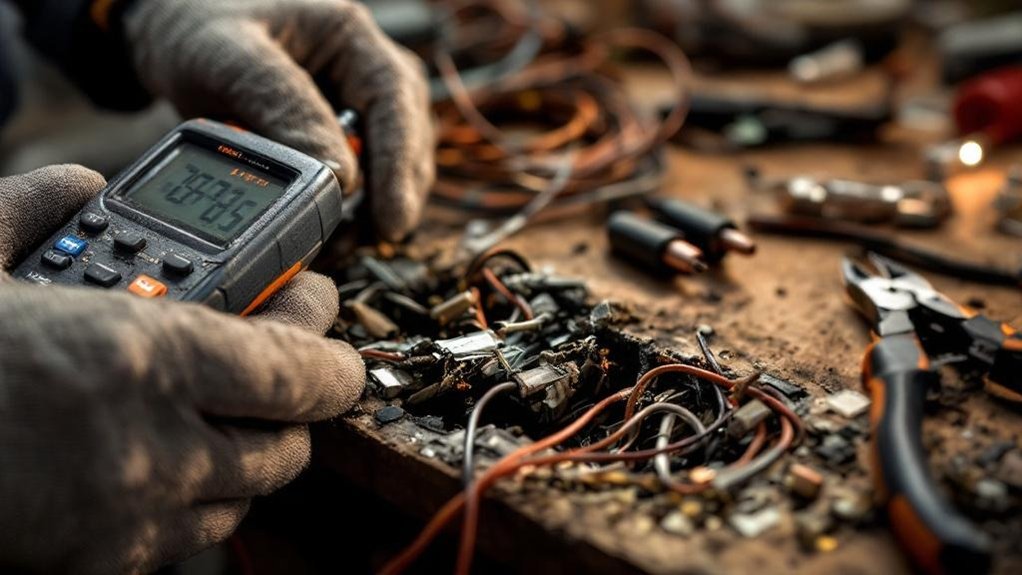
When dealing with aluminum wiring systems, professional inspection by qualified experts remains critical for identifying potential hazards before they become dangerous. We’ll walk you through key inspection techniques that we use to assess your home’s safety.
Our risk assessment process involves examining exposed wiring areas for “AL” markings, checking connection points in electrical panels, and evaluating signs of oxidation or overheating. We’re particularly thorough with homes built between 1965 and 1973, where aluminum wiring was commonly used. Any solid conductor wiring discovered during inspection must be reported according to InterNACHI Standards of Practice. Using specialized tools and PPE, we inspect terminal connections and remove panel covers to examine the overall condition of your electrical system.
Together, we’ll document any findings and provide clear recommendations, whether that’s installing COPALUM crimps or consulting with qualified electricians for necessary repairs.
Replacement Options and Cost Considerations
As homeowners evaluate their options for addressing aluminum wiring concerns, they’ll find several paths forward – from complete copper rewiring to more targeted solutions like pigtailing. We recognize that cost is a major consideration, with full copper replacement ranging from $2,000 to $12,000 for most homes, while targeted repairs typically cost $387 to $466 per circuit.
At Pride Electric, we help our clients assess the most cost effective solutions for their specific situation. Whether it’s complete wiring upgrades or strategic repairs, we consider factors like home size, wire accessibility, and existing electrical configurations. While repairs may cost less initially, we’ll help you weigh long-term benefits against upfront savings, ensuring your choice aligns with both safety requirements and budget constraints. Our professional pigtailing service represents a highly effective approach that can cost up to ten times less than complete rewiring while still maintaining safety standards.
Step-by-Step Guide to Safe Wire Replacement
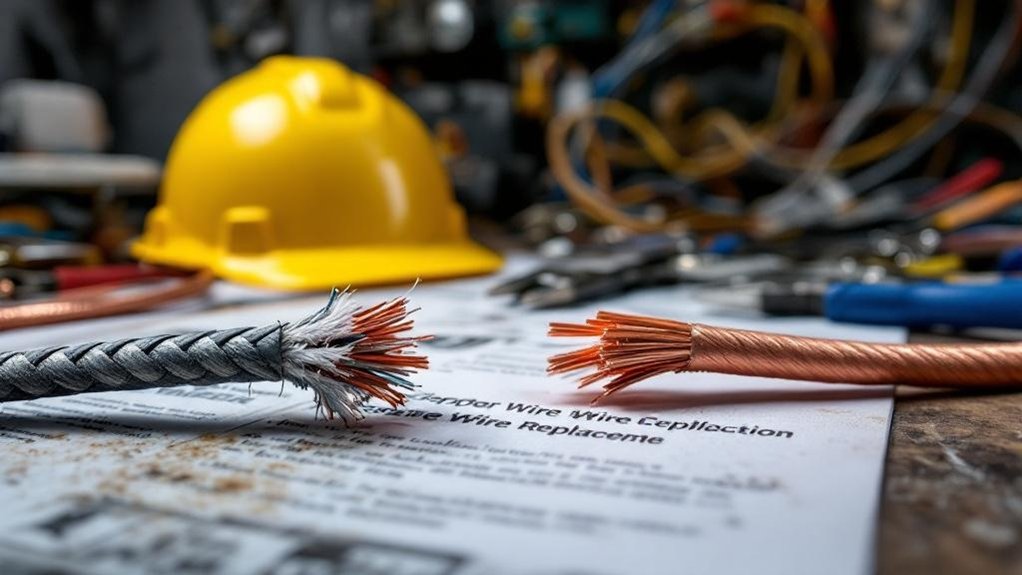
When dealing with aluminum wiring replacement, we’ll first contact a licensed and insured electrician, like Pride Electric, who has the expertise and proper certifications to handle this hazardous work. We’ll need specialized tools including COPALUM connectors, insulation strippers, and safety equipment such as gloves and protective eyewear to meet electrical code requirements. During the copper wire installation process, we’ll make certain the power is completely disconnected, use approved connectors for any aluminum-to-copper shifts, and verify all connections meet current safety standards. For enhanced performance and security, professional electrical contractors utilize advanced protection systems similar to those found in commercial applications.
Hiring Licensed Professionals First
Because aluminum wiring poses significant safety risks, hiring a licensed electrical professional is the vital first step in addressing this hazard. At Pride Electric, we recognize that proper electrical safety certifications and extensive training are essential for handling aluminum wiring replacement projects safely and effectively. Homes with aluminum wire systems face 55 times greater fire hazard risk compared to copper wiring.
Licensed electrician qualifications guarantee that your project will be completed according to local electrical codes while minimizing fire risks. We’ll conduct a thorough system evaluation, determine the most appropriate replacement method, and provide detailed documentation for your insurance company. Our team uses specialized tools and approved connection methods like COPALUM or AlumiConn connectors when complete copper replacement isn’t feasible. Following installation, we perform extensive testing to verify system safety and reliability, giving you peace of mind that your home’s electrical system meets all current safety standards.
Tools and Safety Equipment
The proper selection and maintenance of specialized tools and safety equipment form the foundation of any aluminum wire replacement project. We’ll need a thorough COPALUM retermination kit with integral die sets, along with properly insulated crimping tools and wire wrapping equipment. Our most effective tools include aluminum wire wrappers that are lightweight at just 0.7 pounds and easy to maneuver in tight spaces.
Before we begin any work, let’s make sure we’re following essential safety protocols. We’ll want insulated gloves, safety glasses, and both standard and non-contact voltage testers to verify power is off. Having a fire extinguisher nearby is vital for our protection.
For quality control, we’ll inspect our UL-certified tools before each use, focusing on proper maintenance and cleanliness. Remember, we’re not just replacing wires – we’re creating safe, reliable connections that protect our homes and families for years to come.
Copper Wiring Installation Process
Now that we’ve assembled our proper tools and safety equipment, let’s focus on replacing aluminum wiring with copper conductors. The copper advantages become clear as we follow this precise installation process.
First, we’ll completely shut off power at the main breaker and remove the existing aluminum wiring after careful inspection. Next, we’ll select appropriate copper wire gauge and insulation ratings for your specific circuits. As we install new copper runs, we’ll secure them properly with cable staples while maintaining adequate slack for connections. A load calculation assessment helps determine the correct wire sizes needed for current and future electrical requirements.
When connecting the copper wiring, we’ll employ proper wiring techniques using approved connectors and torque specifications. We’ll verify continuity, test for shorts, and ascertain all connections meet NEC requirements. Remember, we’re creating a safer electrical system that will serve your home reliably for decades to come.
Working With Licensed Electricians
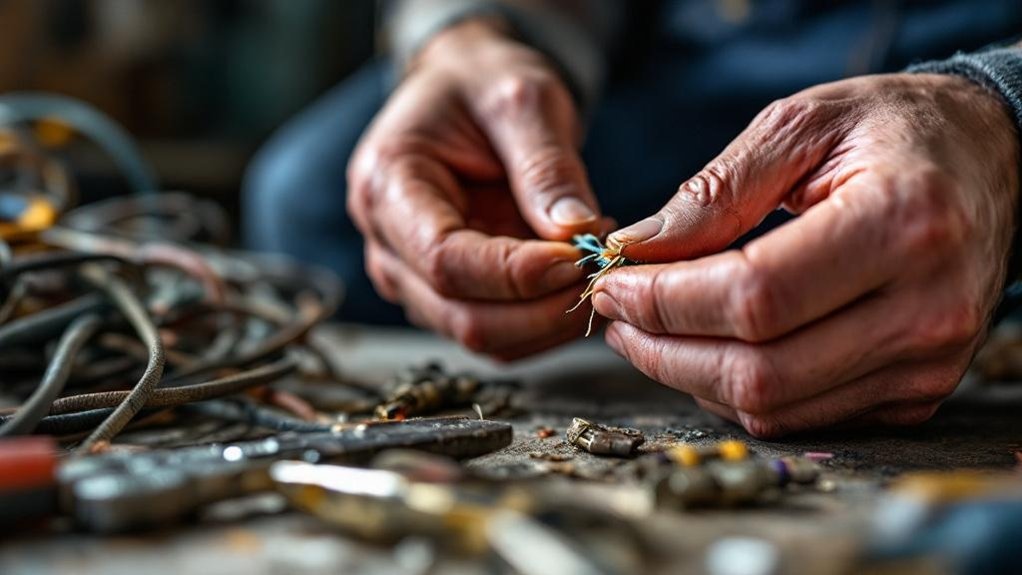
When dealing with aluminum wiring issues, we’ll need to locate a qualified, licensed electrician who specializes in this type of repair and maintains proper certifications for aluminum wire modifications. We’ll want to guarantee our chosen professional can perform a thorough safety inspection that meets current National Electrical Code requirements and local regulations for aluminum wiring systems. In Indiana, electricians must complete 4 years of experience before qualifying for journeyman licensing in most jurisdictions. It’s essential that we obtain detailed documentation of all repairs, replacements, and modifications made to the electrical system, which may be required for insurance purposes and future home sales.
Finding Qualified Electrical Help
Finding qualified electrical help requires careful consideration of licensing, experience, and professional credentials. We recommend verifying your electrician’s license through state databases and ensuring they meet all local regulations for practicing in your area. Most licensed professionals will have completed at least 8,000 hours of supervised work experience and passed rigorous state examinations. High-quality electrical contractors must carry proof of insurance before operating a business.
When evaluating electrician qualifications, look for professionals who maintain active memberships in organizations like IBEW or NECA, as these indicate ongoing commitment to industry standards. Always verify insurance coverage and ask for references from recent projects. We suggest checking online reviews and requesting documentation of continuing education, as qualified electricians regularly update their knowledge of electrical codes and safety protocols. Remember, proper credentials protect both your property and safety.
Safety Inspection Requirements
Safety inspections of aluminum wiring require a licensed electrician’s expertise due to the significant fire hazards and specialized evaluation protocols involved. When we work with qualified professionals, they’ll conduct thorough assessments following strict inspection protocols that go beyond simple visual checks.
Licensed electricians evaluate critical connection points for oxidation, verify proper CO/ALR device ratings, and test for potential overheating issues – especially in pre-1972 installations. They’ll document findings and provide detailed reports that meet compliance standards for insurance and regulatory requirements. Since aluminum is naturally gray in color, visual inspection of the neutral bus bar in the electrical panel can help identify this wiring type. We recommend scheduling regular inspections to monitor wiring integrity, with more frequent checks for older systems showing signs of deterioration. If any issues are identified, it’s crucial to address them promptly through a certified electrical contractor who can guarantee all repairs meet current safety codes.
Professional Repair Documentation
Professional documentation stands as a cornerstone of proper aluminum wiring repairs, building upon the safety inspection process. We’ll guarantee your repair records meet strict documentation standards, creating detailed reports of all work performed, materials used, and methods applied.
When you work with licensed electricians like our team at Pride Electric, we provide extensive documentation that includes before-and-after assessments, photographic evidence, and compliance certification. These records prove essential for insurance purposes, future home sales, and warranty coverage. We’ll coordinate with local authorities to secure necessary permits and maintain thorough documentation of all repairs or replacements.
Documentation of loose electrical connections discovered during inspections is particularly critical since these issues significantly increase fire risks in homes with aluminum wiring.
Your detailed repair records serve as proof that qualified professionals have properly addressed your aluminum wiring concerns using approved methods and materials that meet all safety codes.
Maintenance Tips for Homes With Aluminum Wiring

When maintaining a home with aluminum wiring, it’s important to follow specific safety protocols and maintenance schedules to prevent potential hazards. We recommend scheduling professional inspections every 4-5 years to monitor aluminum corrosion and guarantee wiring longevity. Any repair work must use AL-rated connectors to ensure safety and proper conductivity.
For ongoing maintenance, we advise regularly checking outlet and switch plates for warmth or discoloration. If you notice flickering lights, sparking, or burning odors, contact a licensed electrician immediately. To prevent overheating, distribute electrical loads evenly and avoid running multiple high-energy appliances on the same circuit.
Frequently Asked Questions
Can Insurance Companies Deny Coverage Due to Aluminum Wiring in My Home?
We need to warn you that insurance companies can absolutely deny coverage due to aluminum wiring’s insurance implications. These wiring risks often require upgrades to maintain coverage and protect your home.
How Long Does a Complete Aluminum-To-Copper Rewiring Project Typically Take?
We typically complete a full rewiring project within 5-7 days for average homes, though project duration varies based on your home’s size, complexity, and accessibility of existing wiring routes.
Will Aluminum Wiring Affect My Home’s Resale Value?
Yes, we’re seeing aluminum wiring greatly decrease resale value, as it limits buyer interest, increases insurance costs, and often requires costly updates. We recommend addressing this before listing your home.
Are There Any Federal Tax Credits for Replacing Aluminum Wiring?
While federal incentives don’t specifically cover aluminum wiring replacement, we can help you explore other electrical panel upgrades that may qualify for credits under current wiring regulations and safety standards.
Can I Use Aluminum Wiring in Newly Constructed Areas of My Home?
We strongly recommend against using aluminum wiring in new construction due to safety risks. Instead, we advise installing copper wiring to meet current wiring installation guidelines and protect your home’s long-term safety.
Conclusion
At Pride Electric, we’ve seen how aluminum wiring’s inherent risks demand immediate attention. While various solutions exist, complete replacement with copper wiring remains the safest long-term solution. We’re committed to helping homeowners navigate this critical safety issue through professional inspections, code-compliant replacements, and ongoing maintenance. Don’t wait for warning signs – contact us to evaluate your home’s wiring system and implement the necessary safety measures.
