
To childproof electrical outlets, we recommend using plug covers for immediate protection of unused outlets and tamper-resistant outlets as a permanent solution. For active outlets, install box guards or enclosures that allow cord use while preventing access. Don’t forget proper cord management—use cord covers and shorteners to eliminate dangerous loops or excess cable. Professional installation guarantees compliance with safety codes, especially in older homes. These strategies will greatly reduce your child’s risk of electrical injuries.
Key Takeaways
- Install tamper-resistant outlets that feature internal shutters preventing foreign object insertion and reducing injuries by up to 90%.
- Use plug covers for immediate, inexpensive protection of unused outlets, especially for children under two years old.
- Apply box guards or enclosures in high-traffic areas where plugs must remain connected while preventing child access.
- Implement cord management with covers and shorteners to prevent access to electrical connections and eliminate excess cable.
- Schedule professional installation to ensure proper grounding, GFCI protection, and compliance with current electrical safety codes.
Understanding the Electrical Dangers For Young Children

While electrical outlets are essential components of our modern homes, they pose significant dangers to young children who haven’t yet developed risk awareness. At Pride Electric, we’ve seen how outlets positioned at a child’s eye level naturally trigger their curiosity, leading to potentially serious injuries.
The statistics are concerning: about 7 children per day are treated for outlet-related injuries, with 89% occurring in children under age 6. Young children, particularly those between 2-3 years old, commonly insert objects like hairpins and keys into outlets, resulting in burns to their hands or mouth.
Most incidents happen during everyday moments—like mealtime—when supervision may momentarily lapse. Understanding these patterns is vital for effective injury prevention. By recognizing how child curiosity intersects with normal household routines, we can better protect our little ones from electrical dangers. This is why it’s alarming that approximately one-third of parents don’t childproof their electrical outlets at all.
Simple Plug Covers and Their Effectiveness
Although simple and inexpensive, plug covers remain one of the most common safety solutions for parents with young children. These plastic inserts slide directly into unused outlets without tools, creating an immediate barrier against curious fingers and foreign objects.
The plug covers benefits are most evident for families with children under two years old, offering basic protection during this highly vulnerable stage. However, we should address some safety misconceptions: these covers aren’t foolproof. Children older than two can often remove them, and they require consistent replacement. According to safety experts, exposed receptacles are among the most common OSHA violations in homes with small children.
For more extensive protection, we recommend considering tamper-resistant outlets as a permanent solution. While plug covers provide a good starting point in your childproofing journey, understanding their limitations helps us make informed decisions about our children’s safety in every room of our home.
Tamper-Resistant Outlets: A Permanent Safety Solution
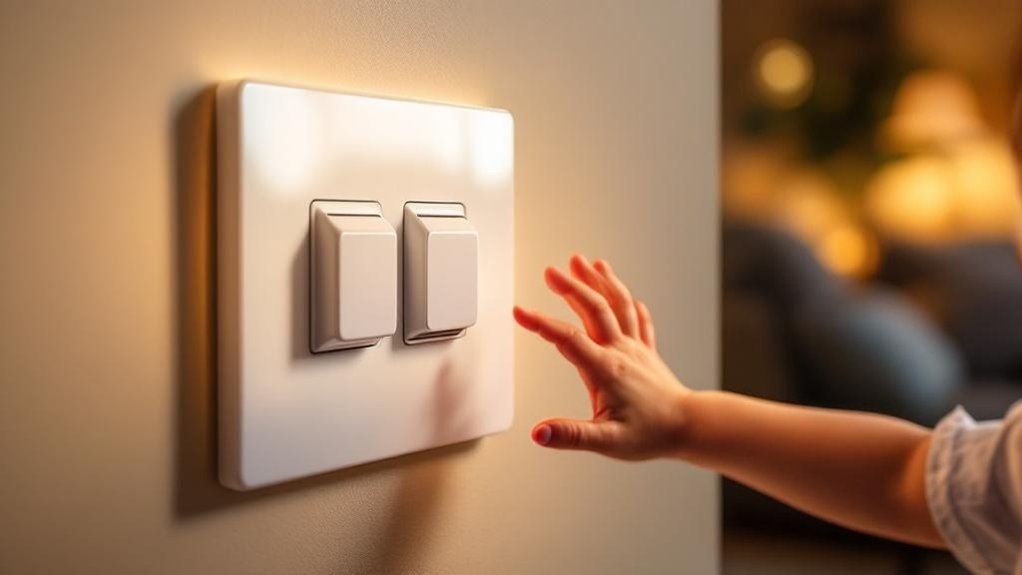
Unlike temporary plug covers, tamper-resistant outlets provide a permanent, built-in solution for protecting curious children from electrical hazards. The ingenious outlet design features internal shutters that only open when equal pressure is applied to both sides simultaneously—something that happens naturally when inserting a proper plug, but not when a child inserts a hairpin or paperclip.
These outlets look nearly identical to standard ones but offer considerably improved child safety. They’re now mandated by the National Electrical Code for new construction and renovations, marked with “TR” on the faceplate. Studies show they reduce electrical injuries in children by up to 90%—critical protection since 70% of child-related electrical accidents happen at home. Installing these outlets can help prevent the approximately 2,400 children who suffer severe shock and burns annually from outlet tampering.
At Pride Electric, we can easily replace your existing outlets with tamper-resistant versions, providing continuous protection without the hassle of removable covers.
Box Guards and Enclosures For High-Use Areas
When childproofing outlets that need to remain actively used, box guards and enclosures offer superior protection while allowing functional access. We install these durable guards in high-traffic areas where plugs must remain connected, such as behind entertainment centers or in home offices. These specialized protections create a physical barrier that prevents little fingers from accessing plugs while maintaining the electrical connection—making them particularly effective in spaces where traditional outlet covers aren’t practical. The robust construction of quality enclosures ensures they can withstand curious toddlers while preventing deformation and protecting internal components from accidental damage.
Protection For Active Plugs
While childproofing unused outlets is essential, active plugs present an entirely different safety challenge. For these situations, we recommend installing box guards designed specifically for active plug protection. These protective devices create a physical barrier around plugged-in cords while still allowing them to function.
At Pride Electric, we’ve found that box guards made from durable materials like plastic or metal work best for most homes. They’re typically easy to install without tools and many feature tamper-resistant designs that children can’t easily remove. In high-use areas with frequent foot traffic, we suggest sturdier enclosures that can withstand daily wear and tear. For maximum protection in environments with water exposure concerns, consider options with NEMA 4 ratings that provide watertight protection while still allowing access to your electrical connections.
These electrical safety measures not only prevent accidents but also comply with safety codes. Our clients appreciate how these solutions offer peace of mind without sacrificing the functionality of their frequently used outlets.
Installation And Effectiveness
Installing box guards and electrical enclosures properly can make the difference between adequate and exceptional childproofing. When selecting a box guard, make sure it completely encases the outlet and plug to provide that thorough protection children need. While they may be bulky and challenging to install, these guards offer a permanent solution for outlets in high-traffic areas that remain consistently in use.
The enclosure materials matter greatly—they should comply with electrical codes while providing durability. Whole-house surge protectors can handle major electrical spikes while providing additional protection layers for your family’s safety. For areas with electronics like living rooms or kitchens, consider pairing box guards with whole-house surge protectors to extend device lifespan. Remember, these guards are most effective when installed correctly, creating a robust physical barrier that prevents curious hands from accessing any part of the electrical current. At Pride Electric, we’re committed to helping families create safer homes.
Cord Management Strategies For Child Safety

Beyond securing electrical outlets, proper cord management forms a critical layer in your home’s childproofing strategy. We recommend investing in quality cord covers that completely encapsulate exposed wires, preventing curious fingers from accessing dangerous electrical connections. Specially designed cord shorteners help eliminate excess cable length that children might pull on or become entangled in.
Effective cable management isn’t just about safety—it creates a cleaner, more organized home. Mount cords along walls or behind furniture, and use cord ties to bundle multiple cables together. Never run cords across walkways where they create tripping hazards.
For extensive protection, consider specialized solutions like power strip covers that block access to multiple outlets simultaneously. Route cables high and out of reach whenever possible, and regularly inspect your setup for wear or damage. At Pride Electric, we’ve seen how proper cord management prevents countless accidents in Canton homes.
When and How to Replace Outdated Electrical Outlets
We’ve found that recognizing dangerous outlets—those with visible damage, frequent tripping, or ones that feel warm to the touch—is essential for maintaining a child-safe home. While DIY outlet replacement might seem cost-effective, professional installation by licensed electricians like Pride Electric guarantees proper grounding, GFCI protection in wet areas, and compliance with current electrical codes. Our team recommends scheduling an assessment of your home’s electrical system if your property is over 30 years old or you’re experiencing any warning signs like flickering lights or burning odors. Remember that homes with outdated electrical systems put your valuable electronics at risk for data loss and expensive damage during power surges.
Recognizing Dangerous Outlets
When your home’s electrical outlets show signs of wear or malfunction, they’re not just an inconvenience—they’re potential safety hazards that require immediate attention. At Pride Electric, we help families identify these dangers before accidents happen.
Look for outlets without test and reset buttons, as these lack vital GFCI protection required in kitchens, bathrooms, and outdoor areas. Modern outlet types include essential safety features that older systems don’t provide. Watch for discoloration, charring, or outlets that feel warm to the touch—these indicate dangerous internal issues. Scorched or discolored outlets are clear signs of faulty wiring that could potentially lead to electrical fires.
If your circuit breakers trip frequently or you notice sparking when plugging in devices, don’t wait to call us. Remember, exposed wiring, loose outlets, or fixtures that flicker are warning signs that your electrical system needs professional assessment and possibly replacement.
DIY Vs Professional Installation
Many homeowners face the dilemma of whether to tackle electrical outlet childproofing themselves or call in the professionals. When considering DIY safety measures, outlet caps and sliding cover plates offer quick, affordable solutions for immediate protection. These work well for temporary needs or simple setups in newer homes.
However, professional assessments are recommended for older homes or complex electrical systems. At Pride Electric, we’ve seen how tamper-resistant outlets provide superior protection compared to DIY alternatives. These outlets have spring-loaded shutters that only open when both prongs are inserted simultaneously. Standard outlets carrying 120 volts can cause severe injury or death if children insert objects into them.
While DIY methods cost less upfront, professional installations guarantee code compliance, long-term durability, and thorough protection. We recommend DIY for immediate, temporary solutions, but professional installation for lasting peace of mind.
Frequently Asked Questions
At What Age Can I Stop Using Childproofing Devices?
We typically recommend reducing childproofing devices around age 6, when children’s understanding of electrical safety develops. However, always assess your child’s development and follow safety guidelines before making changes.
Can Older Children Defeat Childproofing Solutions?
Yes, older children can often defeat simple outlet covers. We recommend upgrading to tamper-resistant outlets for lasting childproofing effectiveness. Even curious kids struggle to bypass these more secure solutions.
Are Smart Outlet Covers With Wi-Fi Monitoring Worth the Cost?
We believe smart outlet covers offer significant benefits through real-time monitoring and scheduling capabilities. When comparing safety features, they’re worth the investment for tech-savvy families seeking enhanced protection and peace of mind.
How Do I Childproof Outlets With Furniture Directly Against Them?
For outlets behind furniture, we recommend tamper-resistant outlets with built-in shutters. If furniture placement can’t be adjusted, install flat outlet covers before pushing furniture back, checking them regularly for security.
Should I Childproof Outlets in Rooms Children Rarely Access?
Yes, we always recommend childproofing all outlets. Risk assessment shows curious children can access any room, and thorough outlet safety strategies protect against unexpected exploration even in rarely visited areas.
Conclusion
We’re confident that with these outlet childproofing methods, you’ll create a considerably safer home environment. Don’t wait until there’s an incident—implement these precautions today. Whether you choose simple plug covers or upgrade to tamper-resistant outlets, taking action now prevents accidents later. Remember, proper cord management completes your safety strategy. If you’re unsure about electrical modifications, we’re always here to help.
