
By installing whole-house surge protection, we guard all our home’s electronics and systems from damaging power surges, including smart devices and major appliances. This essential defense helps prevent electrical fires by managing voltage spikes and meeting the latest electrical codes. It saves us from costly repairs, insurance claims, and downtime, while extending the lifespan of our devices. Investing in professional installation guarantees reliable operation and peace of mind—there’s a lot more to discover about maximizing your home’s protection.
Key Takeaways
- Shields all home electronics and appliances from damaging voltage spikes and power surges at the main electrical panel.
- Significantly reduces the risk of electrical fires by neutralizing overheating and arc faults caused by surges and overloads.
- Extends the lifespan of expensive electronics and smart devices, saving money on costly repairs or replacements.
- May help lower homeowners insurance premiums and ensures compliance with current electrical safety codes.
- Provides peace of mind with whole-home protection, needing only periodic maintenance and professional installation for reliability.
Comprehensive Defense for Home Electronics and Systems

Although we rely on advanced electronics every day, most homes remain vulnerable to power surges that can damage or destroy sensitive devices and critical systems. With whole-house surge protection installed at the main panel, we create a crucial shield—blocking damaging voltage spikes before they reach our wiring and equipment. This foundation boosts our electronic resilience, guarding everything from smart thermostats and security cameras to HVACs, refrigerators, and gaming consoles. By neutralizing both dramatic external surges and the cumulative harm of minor power fluctuations, we help guarantee system longevity and consistent device performance. Protecting entire circuits not only keeps our families’ technology safe but also supports compliance with modern electrical codes, reduces downtime, and lowers maintenance expenses as our homes become more high-tech and interconnected every year. Additionally, licensed electricians can help homeowners choose the most effective surge protection setup based on their home’s wiring and typical voltage exposure.
Safeguarding Your Home From Electrical Fires
When we’re serious about safeguarding our homes from electrical fires, we need to address overheating, faults, and the hazards of voltage spikes—especially during lightning events. Installing whole-house surge protection helps us meet code requirements while reducing these major fire risks. By prioritizing these safety measures, we’re taking a critical step in preventing the most common causes of electrical fires. In addition, it’s important to avoid overloading electrical outlets, since overloading can increase the risk of overheating and fire.
Preventing Overheating and Faults
Even the slightest electrical surge can set off a chain reaction that jeopardizes your home’s safety, which is why whole-house surge protection is essential for preventing overheating and electrical faults. By having these systems in place, we’re investing in reliable overheating prevention and effective fault management for every space we care about. Surge protectors actively absorb and redirect excess energy from surges, preventing wiring from overheating—a critical safety measure, especially in homes with older wiring. They also minimize the risk of dangerous arc faults and overloads, both of which are leading causes of electrical fires. Whole-home surge protectors control voltage spikes to mitigate risks, ensuring your electrical system remains stable even during power fluctuations. By maintaining the integrity of our electrical components and following code-compliant solutions, we keep our families and neighbors safer. Protecting every connection means a safer, more resilient home for all of us.
Reducing Voltage Spike Hazards
Since voltage spikes can arise suddenly from lightning strikes, utility grid fluctuations, or system faults, addressing these hazards is fundamental to preventing electrical fires in our homes. Overloaded panels and aging wiring often create excessive heat that can spark fires, so whole-house surge protectors play a critical role by diverting excess voltage safely away from sensitive equipment. We need to understand surge protector types—such as MOV- and GDT-based models—each designed to meet local code compliance and standards. In cases where outdated wiring is present, there is an increased risk of fire due to overheating, making surge protection even more crucial in older homes. To keep our systems safe, regular electrical inspections are essential for identifying worn insulation, faulty outlets, and other potential fire hazards. By investing in proper surge protection and inspections, we help extend appliance life, prevent costly repairs, and keep our homes safer for everyone.
Protection During Lightning Events
Although lightning strikes are rare, they represent the most severe threat to our home’s electrical system—posing significant fire risks if not properly mitigated. When a lightning strike occurs nearby, a whole-house surge protector at the panel serves as our primary line of defense. It rapidly diverts excess voltage to ground, using surge mitigation to shield wiring and critical circuits. However, no device can guarantee full protection during a direct hit, which can exceed all absorption ratings and overwhelm our electrical infrastructure, increasing fire risks. Installing a whole-house surge protector can cost between $300 and $750, depending on your electrical system’s complexity and local electrician fees. To maximize safety, it’s essential that our home’s grounding is code-compliant and regularly inspected. Supplementing with point-of-use surge devices, lightning rods, and coordinated utility surge mitigation helps us create a robust, layered defense, minimizing damage and supporting our community’s safety.
Financial Advantages and Cost Savings
One major advantage of installing whole-house surge protection is the significant long-term cost savings it brings to homeowners. When we consider cost savings in our financial planning, it’s clear that protecting all our appliances and electrical systems from surges greatly reduces costly repair bills. The upfront investment—typically $200 to $700, plus installation—pays for itself by preventing frequent repairs and replacements, which can approach $12,000 per insurance claim for severe surges. Plus, many insurers may lower our premiums for this safety upgrade, further improving our financial outlook. The 2020 National Electrical Code (NEC) requires surge protection devices in new home construction, making this not only a wise financial decision but also essential for modern code compliance. By minimizing risks of electrical fires and extending the life of expensive appliances, we cut down on maintenance needs and prevent unnecessary expenses. Together, we can guarantee both code compliance and financial security with this smart protection.
Enhancing Convenience and Peace of Mind

While safeguarding our home’s electrical systems is essential, whole-house surge protection does more than just prevent damage—it greatly streamlines how we protect our investments and live with peace of mind. Since surge protectors install directly at the main electrical panel, we benefit from user friendly features such as universal, automatic coverage for all outlets and appliances—eliminating clutter from power strips and individual surge units. This centralized setup guarantees easy, code-compliant maintenance and upgrades, maximizing user satisfaction through its single point of management. A whole-house surge protector serves as the first line of defense by intercepting potentially damaging surges right at the source, diverting excess voltage and grounding it before anything in the home is at risk. Knowing our electronics and major systems are shielded from storms, grid fluctuations, and high-power appliance surges, we’re free from outlet-related worries and constant anxiety. Trustworthy protection for everything we plug in brings a sense of security and confidence to our living spaces.
Key Investment and Installation Considerations
When weighing whole-house surge protection, we need to factor in both the upfront investment and the long-term value it brings. Proper installation by a licensed electrician is essential to meet code compliance and guarantee our system provides full protection. It’s also critical that we plan for regular maintenance and eventual replacement to keep our defense against surges reliable and safe. Compliance with NEC guidelines ensures safety and reliability, so choosing a surge protector that meets these standards helps protect our home and its valuable electronics.
Upfront Costs and Value
Several important factors determine the upfront cost and overall value of installing a whole-house surge protector. When we look at upfront pricing, costs typically range between $60 and $500+ for the unit itself, with installation adding another $200 to $800 depending on panel amperage, system upgrades, and labor. Brand, protection rating, additional features, and warranty terms also influence overall pricing. For a proper value assessment, we consider not just initial expenses, but safeguarding our electrical system, appliances, and investment. This protection can greatly reduce the risk of costly repairs or replacements while enhancing home safety and possibly even property value. A surge protector installed at the electrical service panel provides comprehensive protection for all the circuits in a home, distinguishing it from smaller plug-in models. By balancing quality, protection level, and manufacturer support, we guarantee code compliance and maximize safety—bringing our community peace of mind.
Professional Installation Required
Because whole-house surge protectors interface directly with a home’s main electrical infrastructure, proper installation isn’t just a best practice—it’s crucial for safety and code compliance. When we take on this installation process together, we’re committing to the highest safety standards for our families and homes. Only licensed electricians have the technical expertise to safely access the main panel, test voltages correctly, and guarantee every component is placed for maximum protection. Mistakes can result in serious injury, fire hazards, or even risk voiding insurance coverage. Professional installation guarantees we meet all electrical codes, local regulations, and industry certifications. By choosing certified professionals, we’re protecting our investments and our community, while maintaining confidence and peace of mind in our electrical systems. For example, Mister Sparky® guarantees all parts and labor for 2 years post-service, making certified professional installation not only safer but also backed by a satisfaction guarantee.
Maintenance and Longevity
Although a whole-house surge protector is a critical shield for our electrical systems, its reliability depends on regular inspection and maintenance. As a community committed to safety and quality, we must prioritize inspection frequency—ideally, at least once a year or after any major storm—so we can catch issues like component degradation early. Metal Oxide Varistors (MOVs) inside these devices can weaken over time, particularly after frequent or severe power surges, shortening their effective lifespan. By keeping up with scheduled inspections and promptly addressing any detected wear, we help guarantee continued code compliance and avoid unnecessary risks to our homes. Factoring in maintenance costs and knowing when replacement is due, typically every 3–5 years, allows us to budget wisely while safeguarding our collective investment. Whole-house surge protectors extend the lifespan of electronic devices throughout the home, making ongoing care an essential part of protecting everything plugged into your electrical system.
Understanding Protection Limitations and Reliability
As we evaluate the reliability of whole-house surge protection, it’s critical to recognize that even the best systems have inherent limitations. Surge types vary—external events like lightning and internal disturbances from appliances both test our protection limits. Whole-house suppressors are rated by Voltage Protection Rating (VPR); sub-threshold surges can still slip by, allowing cumulative low-level damage to sensitive electronics. Typical devices stop about 85% of surges but allow partial leakage—leaving secondary risks. MOV components degrade over time, reducing effectiveness, especially in areas with frequent grid instability. Proper installation, wiring quality, and code compliance—such as adhering to breaker size and local regulations—directly affect reliability. Each absorbed surge reduces future protection capacity, reminding homeowners that failure isn’t always visible and regular inspection is essential. Remember, for full safety, we need to understand that no single device is entirely fail-safe or completely exhaustive.
Maximizing Protection With Combined Strategies
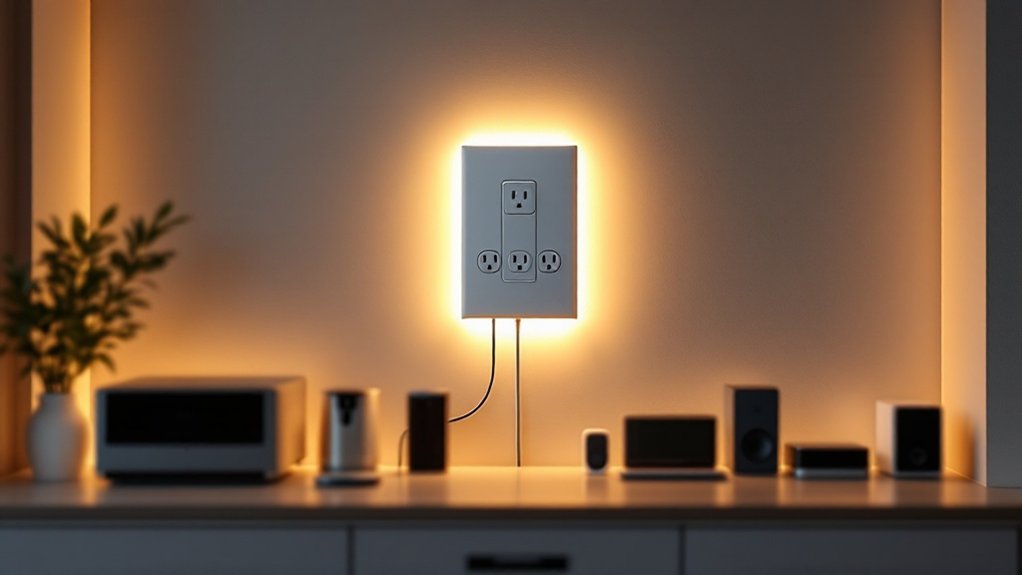
While no single surge protection device can guarantee total defense, we can achieve far greater reliability by using a coordinated approach. Combining whole-house surge protection at the service panel with point-of-use devices for sensitive electronics provides thorough, layered electrical safety. The whole-house system shields our wiring and major appliances from large spikes, while targeted surge protectors handle smaller surges that slip past. This strategy is especially effective for protecting smart home hubs, computers, and entertainment systems that are vulnerable to voltage fluctuations. To maximize surge protection, we must also verify our wiring, breakers, and grounding are up to code and maintained. A whole house surge protector protects all electronics throughout the home, including hard-wired appliances that power strip surge protectors cannot cover. This not only boosts surge protector efficiency but also minimizes risks of electrical fires—ensuring peace of mind for everyone under our roof.
Frequently Asked Questions
How Long Does a Whole-House Surge Protector Typically Last?
When we talk about surge protector lifespan, most last 3–10 years, depending on surge events and build quality. For everyone’s electrical safety, let’s inspect them annually—replacing promptly after major surges or once their indicator light fails.
Will Whole-House Surge Protection Affect My Home’S Energy Consumption?
We recognize you’re concerned about energy efficiency—rest assured, whole-house surge protection won’t increase your energy consumption. These devices remain passive until needed, helping us maintain electrical safety standards in our homes without affecting monthly utility bills.
Can I Install a Whole-House Surge Protector Myself?
We can tackle a DIY installation of a whole-house surge protector, but let’s not forget essential safety precautions—shutting off power, using proper tools, and following codes. When in doubt, it’s safest to call trusted professionals like us.
Do Whole-House Surge Protectors Require Regular Maintenance?
We recommend inspecting your surge protector every 3-6 months; maintenance frequency matters for safety and code compliance. Let’s monitor indicator lights and grounding, as surge protector lifespan typically ranges from 5-10 years for ideal protection in our homes.
What Happens to the Surge Protector After a Major Power Surge?
After a major power surge, we may find the surge protector’s lifespan reduced due to power surge effects like heating or component damage. It’s essential we inspect—and possibly replace—the device to maintain safety and code compliance together.
Conclusion
At Pride Electric, we understand whole-house surge protection is an essential safeguard—far more effective than simple plug-in devices. By investing in code-compliant, professionally installed protection, we’re reducing the risk of costly damage, electrical fires, and downtime. While no system offers 100% immunity, integrating whole-house units with point-of-use devices maximizes reliability and safety. Ultimately, we’re protecting not only your electronics, but your peace of mind. Don’t wait for a surge—let’s keep your home and family protected.
